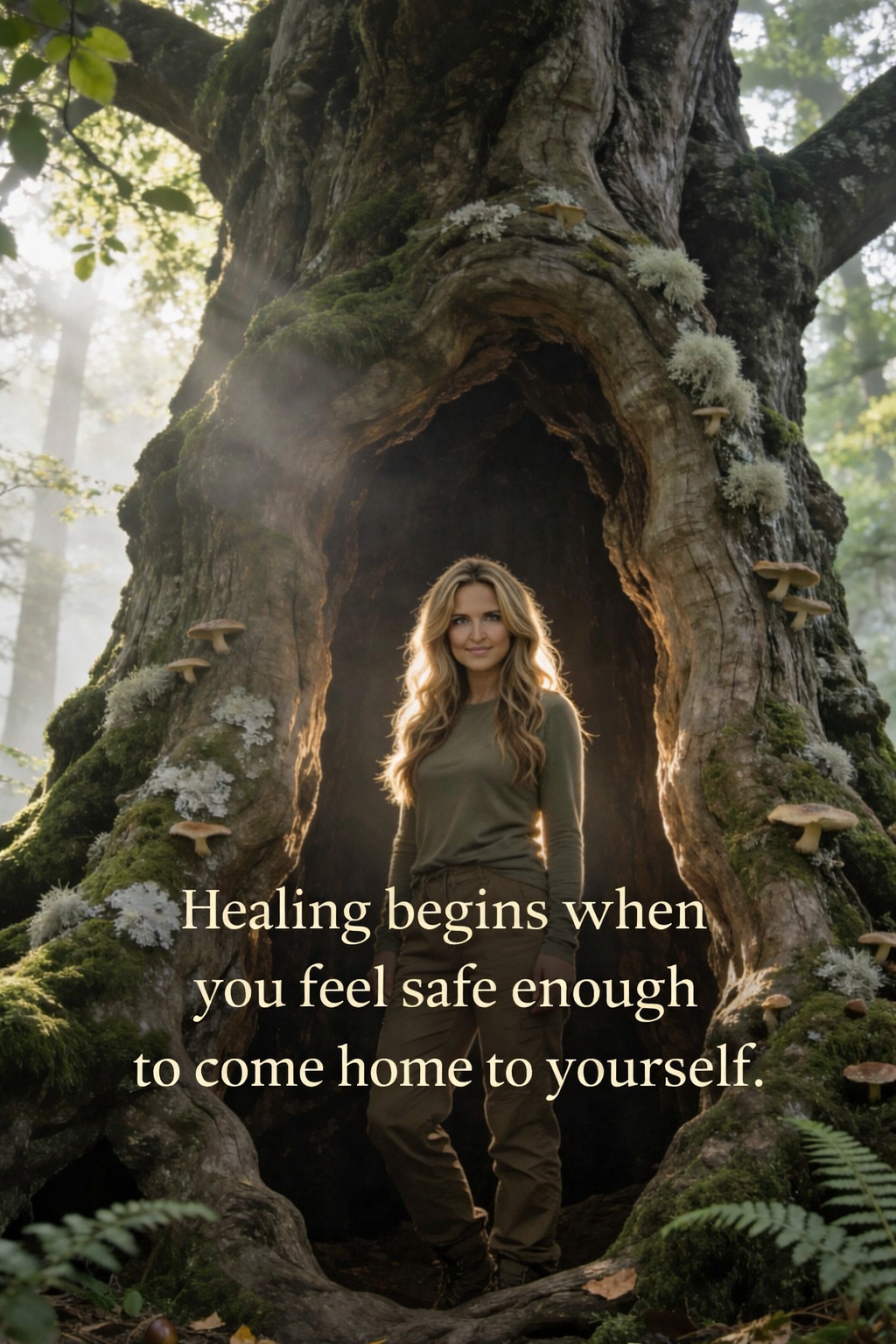
Emotional healing is more than just thinking positive thoughts or trying to forget about what hurts. For me, it’s become a steady process of getting to know my own emotional wounds, building compassion for myself, and allowing space for real change. If you’re feeling stuck or weighed down, you’re definitely not alone. Releasing old pain takes time but is totally possible with the right approach.

What Emotional Healing Is (and What It Isn’t)
When I first heard about emotional healing, I thought it was all about forcing myself to “think happy thoughts” and push tough feelings out of the way. That didn’t help at all. Real healing doesn’t mean ignoring anger, sadness, regret, or fear. It’s about facing these feelings directly, understanding what they’re trying to tell us, and letting them move through in a safe and caring way.
Emotional healing is the process of recognizing and honoring the impact of difficult events in our lives, whether it’s loss, betrayal, disappointment, or stress. Instead of bottling things up, emotional healing asks us to get curious about what we feel. That might sound scary, but I’ve found it’s actually a lot gentler than fighting or denying everything all the time.
This process can look different for everyone. Some people journal, others talk to a trusted friend or professional, and some use art or movement. The main thing is honesty and kindness with yourself. Even sharing your story in a support group or writing it out privately can start to give a boost to your sense of relief. If you feel uncertain, remember that there’s no single best method—what matters is finding something that feels true for you.
How Suppressed Emotions Affect the Body and Mind
When tough emotions build up and aren’t expressed, they don’t just disappear. Our bodies and nervous systems carry those feelings, and sometimes it shows up in sneaky or unexpected ways. I dealt with years of back tension and headaches before I realized they were connected to stress and held-in sadness.
Studies show that chronic stress from buried emotions can mess with our immune systems and throw our hormones off balance. You might notice it as stomachache, tense muscles, fatigue, trouble sleeping, or feeling on edge for no clear reason. That’s your body waving a flag, not just “being weird.” (More on this at Psychology Today.)
The nervous system is on high alert much more often when emotions are bottled up. That makes daily life feel harder than it needs to be. Sometimes I notice I’m clenching my jaw or holding my breath, and that’s often my cue that I’ve been stuffing something down instead of giving myself room to feel. Over time, these signals become easier to spot, letting you act sooner to give yourself what you need.
It’s worth adding that suppressed emotions don’t just impact our bodies; they can ripple out into behavior too. You might sense yourself being irritable, withdrawing from family or friends, or losing motivation. These aren’t failures, but hints from your system that it’s craving some gentle attention.
Common Emotional Patterns: Anxiety, Overwhelm, and Numbness
There’s no one right way to respond to pain or stress, but I’ve seen a few familiar patterns show up a lot:
- Anxiety: This can feel like racing thoughts, tightness in the chest, or a constant sense of impending doom, even if nothing specific is wrong. When emotions get stuck, the nervous system starts spinning, making it tough to relax.
- Overwhelm: For me, overwhelm feels like shutdown mode, where everything feels like too much and even simple tasks take twice the effort. It’s as if there’s a pressure cooker inside that’s about to blow.
- Emotional Numbness: Sometimes, instead of feeling too much, we end up feeling nothing at all. Numbness is a pretty common defense mechanism, and it’s there for a reason. It protects us from pain when things get too intense. But over time, it can block us from the good stuff too, making life feel bland or disconnected.
Learning to recognize these patterns is super useful. Instead of blaming yourself for the way you react, you start to see these responses as info about what you need to pay attention to or care for inside yourself. Remember, if you spot a certain pattern coming up regularly, that’s an invitation to get curious, not judge yourself.
It can also help to talk about these experiences with others, whether or not you feel ready for a full support group. Even just expressing, “I feel overwhelmed right now,” to someone you trust gives a boost to your inner sense of being seen and supported. Little acts like this help you step up your emotional resilience with practice.
Gentle, Practical Ways to Process Emotions Safely
Processing emotions doesn’t mean getting into every hard memory all at once. In my experience, gentle daily habits go a long way, and you get to choose what pace feels right for you. Here are a few simple practices I use and recommend:
- Checkins: I pause a couple of times a day to just ask myself, “What am I feeling right now?” Even if the answer is “I don’t know” or “Nothing,” it creates space for honesty.
- Journaling: Writing without worrying about grammar or spelling gets me in touch with feelings that are stubborn or confusing. Some days, bullet points are enough. Other days, it turns into a letter I’ll never send.
- Movement: Emotions live in the body, so gentle movement, such as walking, stretching, or even dancing alone at home, helps things move along. It doesn’t have to be a full workout.
- Breathing exercises: Slow, deep breaths can really calm the nervous system and make it easier to sit with whatever comes up. This is one of the first steps I recommend to anyone who wants to build a sense of safety while feeling big emotions.
- Talking to someone safe: Sometimes it’s a friend; sometimes it’s a professional. Just having someone listen and reflect back can take a lot of the sting out of tough feelings.
Safe processing is about taking emotions one at a time, not pushing yourself to “heal everything now.” You’re always in control of what and how much you explore. If something feels like too much, you have every right to slow down or set it aside for another day. Sometimes small rituals like lighting a candle, drinking tea, or cuddling a pet can create the right mood and sense of safety for gentle emotional work.
Another helpful trick: Try naming your emotions as you feel them. This has been shown to take the edge off powerful feelings and helps you spot patterns over time. “I feel angry” or “I’m scared” may sound simple, but naming emotions gets them out of your head and into the open, making room for self-kindness.
Nonlinear and Deeply Personal Healing Adventures
I used to think emotional healing would be a straight line, with each step taking me closer to “all better.” It rarely works that way. Healing can move in loops and zigzags. Some days feel lighter; others might bring up older feelings that you thought were already handled. That’s totally normal.
Each person’s path is unique, and what works for one person might not fit another. Some might find guided meditation super useful, while others feel more at home in nature or creating art. Progress isn’t about crossing a finish line; it’s about building more self-awareness and treating yourself better every day.
Sometimes, you might have setbacks or feel like you’re back to square one. I get those, too. When that happens, I remind myself of the little moments of growth and the ways I’ve changed, even if it’s just responding more kindly to myself. Over time, you’ll spot these shifts more easily, and the journey itself will start to feel more manageable. Be patient with yourself; just by staying with the process, you’re creating a real shift.
If you feel stuck, it might also help to mix up your routine. Try a new creative outlet, spend extra time outdoors, or check in with a different supportive friend. Tiny changes like these can bring fresh energy to your healing adventure.
FAQ: Emotional Healing Answers
Q: Can anyone heal emotionally, or do you need therapy?
A: Therapy can be really helpful, but it’s not the only route. Everyone has the ability to heal emotionally, and starting with small, safe steps is totally valid. Self-compassion is key; professional support is just one tool among many.
Q: What if I feel worse when I try to process emotions?
A: Sometimes things feel heavier when we start paying attention to them. This is actually common and means you’re becoming more aware. If things feel overwhelming, it’s always okay to take breaks or ask for help. Go at your own pace.
Q: How do I know if I’m making progress?
A: Progress can show up as fewer blowups, being more honest with yourself, or having a little more peace day to day. If you notice even tiny shifts in how you treat yourself or respond to challenges, you’re moving forward. Look for gentle improvements—not perfection.
Q: What if others around me don’t understand my need for healing?
A: Not everyone will get it, and that’s okay. Sometimes friends or family may downplay your feelings or suggest you “move on.” Remember, your experience is valid, and you can choose what feels safe to share. Focus on finding at least one person who can listen openly, whether that’s in person or an online community.
Gentle Support for Your Healing Adventure
There’s no quick fix to emotional pain, but every step you take to acknowledge and care for your feelings really counts. Healing isn’t about “finishing” or erasing the past; it’s more like learning to carry your experiences with a lot more lightness and understanding. For me, the most important part has been giving myself patience along the way and reaching out for support when needed. Over time, these little acts of self-compassion build a life that feels more free, open, and connected.
Wherever you are in your emotional healing process, you’re not alone. Self-kindness and gentle routines make a real difference; you don’t have to handle everything perfectly or all at once. Keep checking in with yourself, take small steps, and honor the progress you’re making. You deserve care, even on the hardest days. Remember, emotional healing is a lifelong adventure filled with moments of courage, grace, and newfound joy. Give yourself credit for every step you take, big or small.
I love that you mentioned healing isn’t a straight line. That was the hardest lesson for me to learn. I used to get so frustrated when I’d have a ‘bad day’ after a week of feeling good, thinking I was back to square one. Changing my mindset to see it as a ‘spiral’ or a journey rather than a race made all the difference. Your tip about ‘checking in’ a few times a day is something I’m going to start doing—it’s such a simple way to stay grounded.
Adrian, I’m so glad that resonated with you. That “back to square one” feeling can be so discouraging, especially after a stretch of progress. I love how you described it as a spiral instead of a straight line. That shift in perspective is huge.
Healing really is more about how we respond now than whether we ever have hard days again. The fact that you’re noticing the pattern and choosing a different mindset says so much about your growth. I’m excited for you to try the check-ins. Those small pauses can quietly change everything.