
Reaching for something natural before reaching for a prescription is one of the most common instincts women describe when anxiety starts interfering with daily life. There’s nothing wrong with that instinct. But “natural” doesn’t automatically mean “studied,” “safe for everyone,” or “strong enough to do the job alone.” This article looks honestly at the supplements most often recommended for anxiety, what the research actually shows, and where the evidence is thinner than the marketing suggests.
Why So Many Women Reach for Natural Support First
Anxiety rarely shows up only in the mind. It shows up as a tight chest, a racing heart, trouble sleeping, a stomach that won’t settle. Many women want relief that feels aligned with how they already live, through food, herbs, and daily rhythms, rather than starting with a prescription. Concerns about side effects, dependency, or simply wanting to try the gentlest option first are valid and worth respecting.
There’s also a deeper draw for women who think about wellness holistically. Supporting the nervous system through nutrients and plant compounds can feel like one piece of a larger picture that includes sleep, breath, movement, and emotional processing. If your nervous system is dysregulated, a supplement can be one support among several, not a stand-alone fix.
The goal of this piece isn’t to tell you supplements are the answer or to wave them off as wishful thinking. It’s to walk through what the research on specific options actually supports, so any conversation you have with your doctor starts from real information rather than a product label’s promises.
What “Homeopathic” Actually Means, and How It Differs From Herbal or Natural Supplements
The word “homeopathic” gets used loosely, often to mean anything natural or over-the-counter. True homeopathy is a specific system built on highly diluted substances and the principle that “like cures like.” It’s a distinct practice from herbal medicine, which uses measurable, active plant compounds, and from nutritional supplements, which supply vitamins, minerals, or amino acids your body uses directly.
Most of what this article covers, ashwagandha, magnesium, L-theanine, passionflower, lemon balm, falls under herbal and nutritional supplementation, not homeopathy in the strict sense. That distinction matters because the evidence base is different for each category. Herbal and nutritional supplements have measurable active compounds that researchers can study in clinical trials, and a growing number of those trials exist for anxiety specifically.
If you want a broader philosophical comparison between homeopathic and conventional approaches to anxiety and mental health, that ground is already covered in a thoughtful look at natural and homeopathic therapies versus synthetic pharmaceuticals. This piece stays focused on specific products and what the evidence says about each one.
Ashwagandha: The Adaptogen With the Most Research Behind It
Ashwagandha, an adaptogenic herb used in Ayurvedic medicine for centuries, has the largest and most consistent body of modern clinical research behind it among natural anxiety supports. Multiple randomized controlled trials have found that ashwagandha extract can lower self-reported stress and anxiety scores and reduce cortisol, the hormone most associated with the body’s stress response. The effect size varies by study, extract type, and dose, but the direction of the findings has been fairly consistent across research groups.
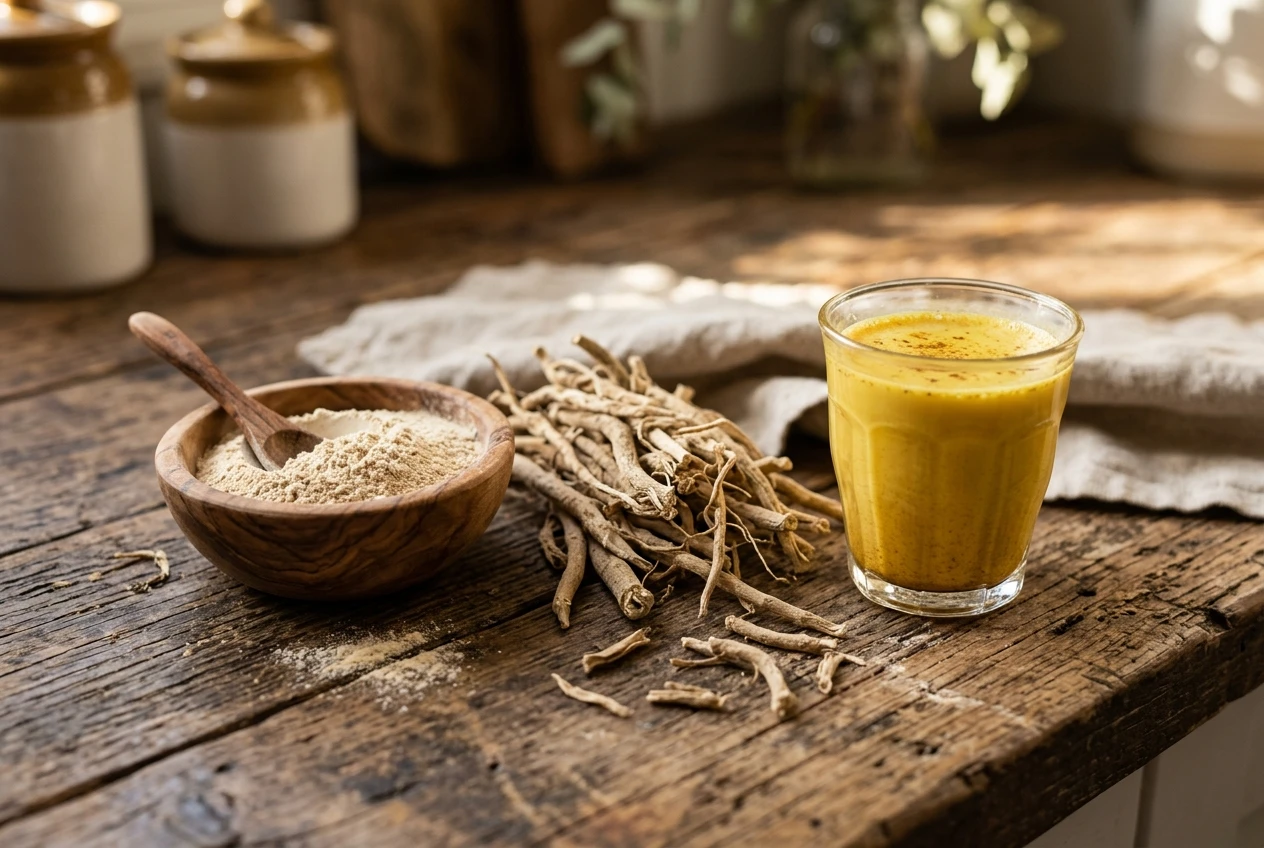
Ashwagandha appears to work gradually rather than acutely. Most studies measure effects after several weeks of daily use, not after a single dose, so it’s not designed to calm a panic spike in the moment. It’s better understood as a long-term nervous system support that may lower baseline stress reactivity over time.
It’s generally well tolerated, with mild stomach upset or drowsiness as the most commonly reported side effects. People with thyroid conditions, autoimmune disorders, or those who are pregnant or trying to conceive should talk with a doctor first, since ashwagandha can affect thyroid hormone levels and has traditionally been avoided in pregnancy.
Magnesium and L-Theanine: Calming Support Without the Crash
Magnesium is involved in hundreds of processes in the body, including the regulation of neurotransmitters that calm the nervous system. Magnesium deficiency has been linked to increased anxiety symptoms in research, and some studies suggest supplementation can help, particularly in people who are low in magnesium to begin with. The research isn’t as robust or as consistent as the ashwagandha data, but the safety profile is strong, and magnesium’s role in sleep and muscle relaxation makes it a reasonable, low-risk option for many women to discuss with a doctor.
Different forms matter here. Magnesium glycinate and magnesium threonate are commonly recommended for anxiety and sleep support because they’re well absorbed and less likely to cause the digestive upset associated with forms like magnesium oxide.
L-theanine, an amino acid found naturally in green tea, has research support for promoting a state of calm alertness without sedation. Studies have shown it can increase alpha brain wave activity, which is associated with relaxed wakefulness, and may reduce stress response without impairing focus. This makes it a popular choice for women who want to feel steadier during the day rather than drowsy. Because it doesn’t carry a strong sedative effect, L-theanine is often considered one of the gentler options on this list, with a favorable safety record and few reported interactions.
Passionflower, Lemon Balm, and Other Traditional Botanicals Worth Knowing
Passionflower has a long history of traditional use for nervousness and sleeplessness, and a handful of smaller clinical trials have found it can reduce anxiety symptoms, in some cases comparably to standard anti-anxiety medications over short study periods. The research base is smaller than ashwagandha’s, with fewer large trials, so the evidence should be considered promising rather than conclusive.
Lemon balm, a member of the mint family, has similarly modest but encouraging research behind it, including studies suggesting it can reduce stress-induced symptoms and improve mood when combined with other calming herbs. It’s often found in blends alongside valerian root or chamomile rather than taken alone.
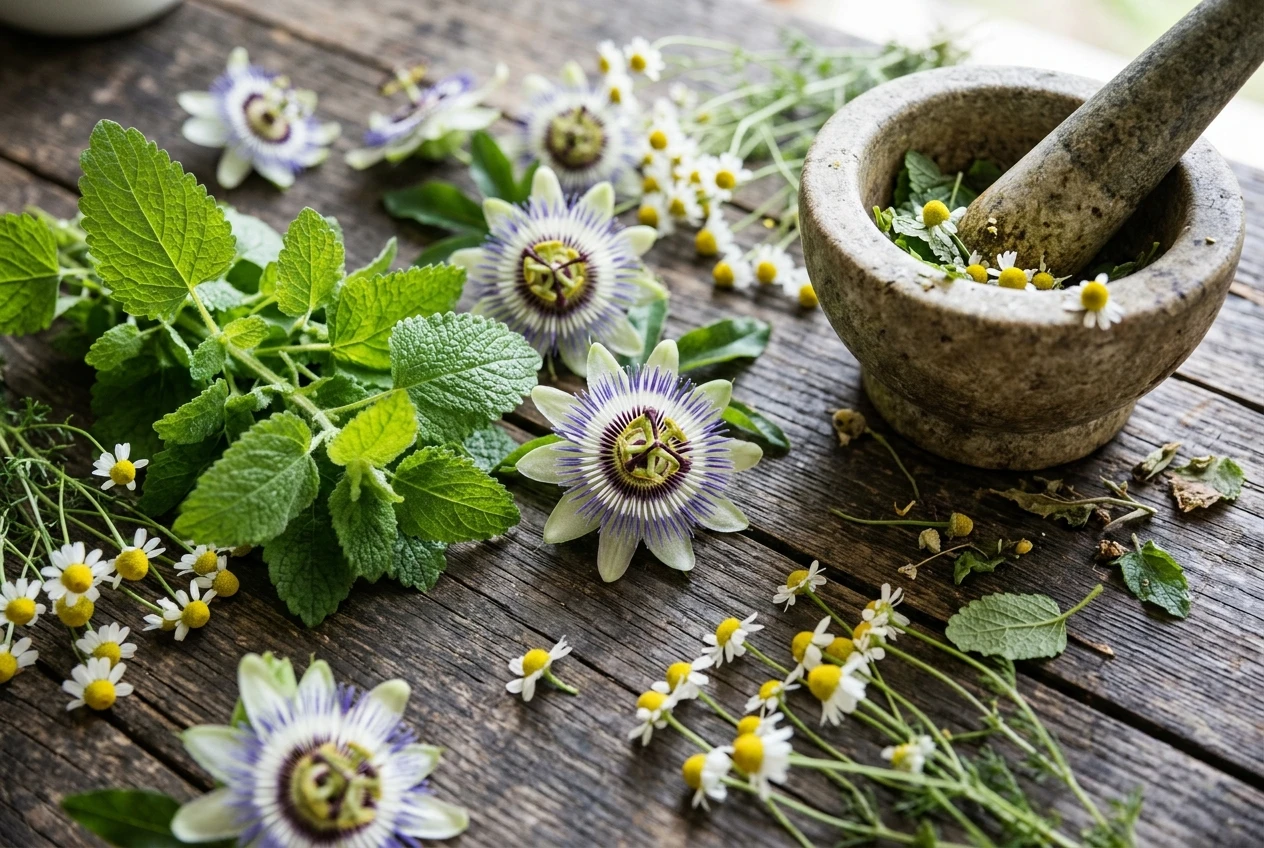
Chamomile deserves a mention as well. Beyond its reputation as a bedtime tea, chamomile extract has been studied for generalized anxiety, with some trials showing a meaningful reduction in symptoms over several weeks of use.
The honest summary across this group: these botanicals have real traditional use and a reasonable, if smaller, body of modern research behind them. They tend to be gentler and slower acting than pharmaceutical options, which can be exactly what some women are looking for, but they’re not a substitute for treatment when anxiety is severe or persistent.
Safety First: Interactions, Side Effects, and Who Should Be Cautious
“Natural” does not mean “risk-free,” and this is the section worth reading slowly before trying anything new. Several of these supplements can interact with common medications. Passionflower, lemon balm, and chamomile all have mild sedative properties and can amplify the effects of prescription sedatives, sleep medications, or alcohol. Ashwagandha can interact with thyroid medication, sedatives, and immunosuppressants. Magnesium can interfere with the absorption of certain antibiotics and reduce the effectiveness of some blood pressure medications if taken in high doses.
Pregnant and breastfeeding women should be especially cautious, since safety data for many of these supplements in pregnancy is limited or the research actively advises against use, as is the case with ashwagandha. Anyone currently taking an SSRI, SNRI, benzodiazepine, or other anxiety or mood medication should talk with their prescribing doctor before adding an herbal supplement, since combining calming compounds with these medications isn’t always straightforward and can occasionally increase sedation or alter how the medication works.
Supplements are also not regulated with the same rigor as prescription medications, which means potency and purity can vary between brands, sometimes significantly. This is exactly why the next section on choosing a quality product matters as much as choosing the right supplement in the first place.
How to Choose a Quality Supplement and What to Ask Your Doctor
A few practical guidelines make a real difference in what you actually get in the bottle:
- Look for third-party testing, such as certification from USP, NSF, or ConsumerLab, which verifies that the product contains what the label claims and is free of contaminants.
- Check the extract type and dose against what was actually used in the research. Many studies on ashwagandha, for example, used standardized root extract at specific doses; a product with a vague “proprietary blend” makes it hard to know if you’re getting an effective amount.
- Start with one new supplement at a time, not a five-ingredient blend, so you can actually tell what’s helping and what isn’t.
- Give it time. Most of the herbs discussed here need several weeks of consistent use before effects become noticeable, unlike L-theanine, which some women notice within an hour.
When you bring this to your doctor, come with specifics rather than a general “I want to try something natural.” Ask directly: does this interact with anything I’m currently taking? Is there a reason to avoid this given my health history? What dose and timeframe would be reasonable to try before reassessing? A doctor who knows your full picture, including any medications, thyroid or autoimmune conditions, and pregnancy status, can help you make a genuinely informed decision rather than a guess based on a product review.
Supplements Support the Work, They Don’t Replace It
Even the best-researched supplement on this list works best as one part of a larger approach to calming an anxious nervous system, not as the whole solution. Sleep, sunlight exposure, movement, breath, and emotional processing all shape how reactive your body’s stress response is day to day. A beginner-friendly breathwork practice can regulate the nervous system in the moment in a way no supplement can, and consistent morning light exposure plays its own role in mood and stress resilience.
Anxiety that is severe, persistent, or interfering with daily functioning deserves a full conversation with a healthcare provider, not just a trip to the supplement aisle. Natural support can be a meaningful part of that conversation. It isn’t a substitute for it.
If you’re building a daily practice to support your nervous system alongside anything you try with a doctor’s guidance, pairing it with consistent reflection can help you notice what’s actually working. Download the free 30-Day Journal Prompts for Clarity to pair any supplement routine with daily reflection that supports lasting calm.