Welcome to the Universal Laws Crash Course
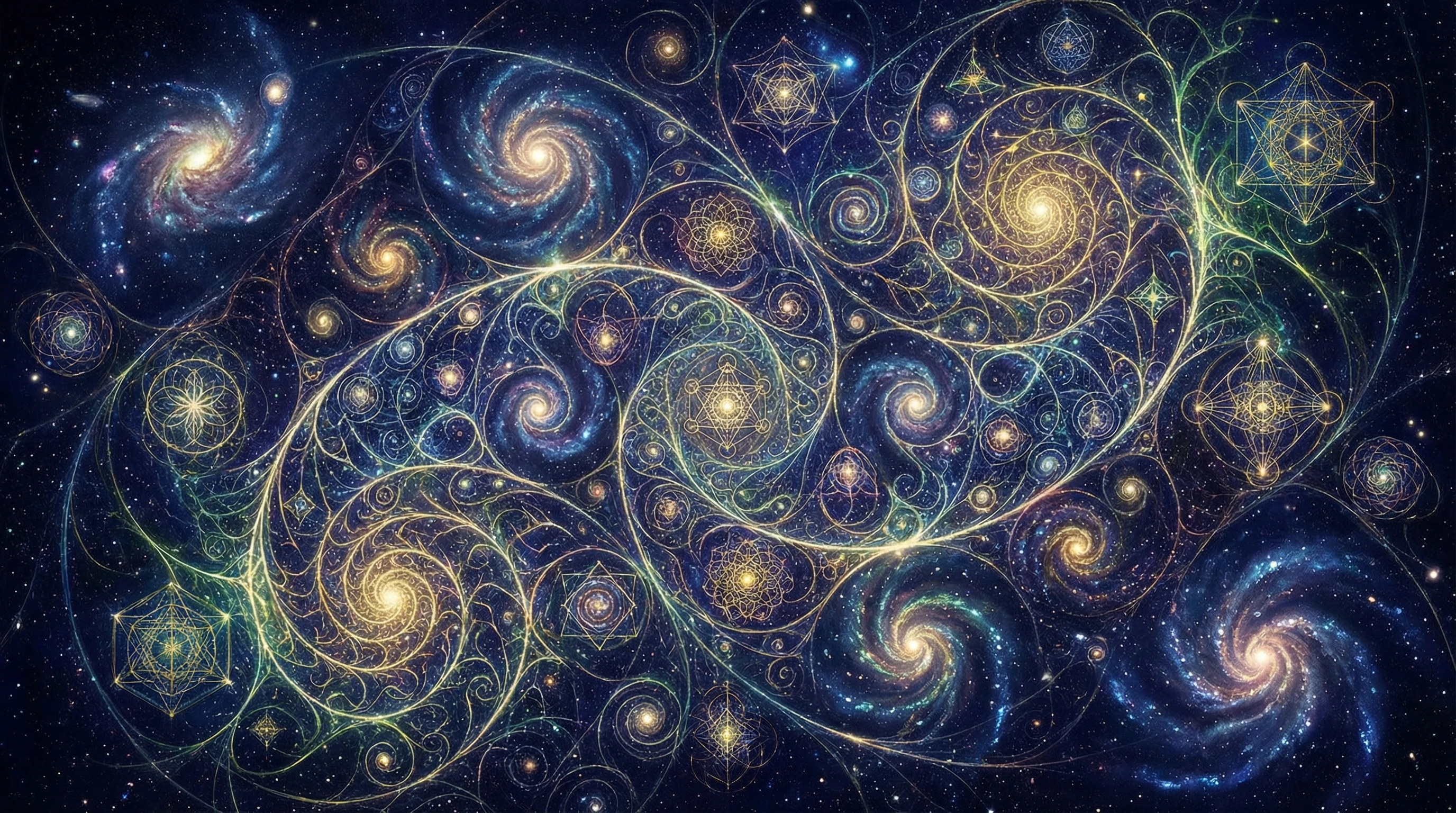
Ever wondered if life has a hidden blueprint? The idea of universal laws suggests that our reality isn’t as random as it might feel sometimes. These laws shape how things unfold, and getting the gist of them can really switch up how you look at your experiences. Whether you’re new to these ideas or just looking to dig a bit deeper, here’s a practical breakdown of the universal laws that many people believe guide everything around us. Knowing about these laws can add a new layer of meaning to regular challenges and accomplishments, helping you get a feel for the bigger patterns at play in life.
What Are Universal Laws All About?
Are These Laws Scientific or Spiritual?
Universal laws are basically patterns or principles that many spiritual traditions and philosophers say help organize the universe. Some sound a lot like science, like cause and effect, while others lean more on the side of energy and consciousness. While there’s debate about where they come from, the main idea is that they’re always in play, no matter who you are or where you live. They’re like the ground rules of existence, whether you’re actually aware of them or not. They show up both in ancient teachings and in some pop culture trends today.
Why Do People Care About Universal Laws?
I’ve noticed a popular trend in using universal laws for goal setting and personal growth. When you understand how these laws work, you can make choices with a bit more intention. It might not be about controlling the future, but it’s about finding your way through life with way more awareness. Many people also stumble upon these concepts when reading about selfhelp or metaphysics, and often, simply learning about them helps build confidence in facing what life throws at you.
Law of Cause and Effect: Actions and Outcomes
What Is the Law of Cause and Effect?
The Law of Cause and Effect often gets summed up as “what goes around comes around.” Every action, big or small, sets off a series of outcomes, even when you don’t notice them right away. In science, you hear about it as “every action has an equal and opposite reaction.” In daily life, it shows up when your choices ripple outward, sometimes surprising you months later.
How Does This Show Up in Real Life?
I’ve seen this in everything from career moves to friendships. If I put in consistent effort at work, I usually see opportunities pop up, even if I have to be patient for a while. If I’m kind to people, those positive connections tend to circle back when I least expect it. The key is realizing that consistent actions build momentum, even if the results aren’t instant. Learn more about cause and effect in behavior.
This law is also about noticing the chain reactions your actions create, not only for yourself, but in your wider circle. Small choices—like spending a few extra minutes helping someone or practicing patience during tough conversations—can set off unexpected benefits. Many cultures tie this to the idea of karma, where your actions create real consequences, positive or negative, that might unfold over time rather than instantly.
The Law of Vibration: Everything Is Energy
Understanding Vibration (It’s Not Just for Science Class)
The Law of Vibration proposes that everything, including objects, thoughts, and emotions, operates at a certain frequency. While this is a cornerstone in quantum physics (every atom vibrates), people blend this idea into daily life by suggesting that your mood and mindset can “tune” your personal energy.
Why Does Frequency Matter?
This law suggests that your outlook can actually influence your environment. I’ve found that when I keep a hopeful or grateful vibe, I notice more doors opening; when I’m bogged down by negative thinking, it goes the other way. It’s pretty handy for understanding why positive environments or uplifting people can have such a big effect on your day. More on raising your vibration.
You don’t have to get into quantum physics to see this law at work. Your feelings and attitude affect not just what you notice, but how others respond to you. For example, walking into a room with confidence lifts up the energy for everyone present. Even your living space can pick up on the vibes you bring home. Taking time to reset and focus on what’s going right can make tough situations easier to handle.
The Law of Correspondence: Patterns and Parallels
How Above Mirrors Below
The Law of Correspondence claims that what happens on one level, say your thoughts or personal life, mirrors what plays out on a bigger scale (like society or even nature). You’ll hear the phrase “as above, so below; as within, so without.” In simple terms, what’s happening inside often shows up outside, and vice versa.
Real-World Examples
Ever had one of those weeks where your stress at work bleeds into arguments at home? That’s this law in action. On the flip side, when I work on being more mindful or organized in my day, I notice life in general runs a bit more smoothly. Paying attention to little patterns can give you clues about bigger trends that might be needed. Even natural cycles, like the turning of seasons or tides, also reflect these patterns—consistency and change, all at once, both inside and out.
The Law of Divine Order: There’s a Bigger Plan
This Law Is All About Trust
The Law of Divine Order says that even when life looks random or messy, there’s actually an underlying intelligence at play. Everything happens in its own timing and sequence, even if you can’t see the logic right away. I used to get impatient when things didn’t go as planned, but this law helped me see that some delays or detours wind up working out for the best.
How to Work With Divine Order
Instead of fighting the current, this law suggests doing what you can and then trusting the process for the rest. Releasing the need to control every detail can actually lead to more peace, and often more creative solutions than you could have planned. Explore ideas about divine order here.
Life’s twists and turns can often feel like setbacks, but when you step back, you may notice how previous delays pointed you toward new opportunities or relationships you hadn’t imagined. Practicing patience and flexibility means embracing the mysterious timing of events, knowing that what feels wrong in the moment might actually set you up for something better later.
Quick Guide to Applying Universal Laws
How Do You Use These in Daily Life?
- Pay attention to your choices. Notice how your habits stack up (cause and effect).
- Tune in to your mindset. High vibe emotions can make a real difference (vibration).
- Look for patterns, not just problems. What repeats in your life? (correspondence)
- Practice a little trust. Letting go can actually clear the way for things to fall into place (divine order).
Integrating these laws can start small. Journaling about your day, practicing gratitude, or checking how you react in certain situations can build awareness. With practice, the connections between your choices and outcomes—and the bigger picture—become more obvious. Using these principles isn’t about being perfect, but about learning to flow with life’s changes and being open to new insights.
Any Other Universal Laws?
While these four are super popular, there are others, like the Law of Attraction and Law of Polarity, that are worth checking out. Once you start exploring these ideas, even a small switch in perspective can make regular situations feel way more manageable. Whether you read ancient philosophy, listen to podcasts, or simply observe your own patterns, you’ll keep stumbling upon new connections to everyday life.
Still Have Questions? Keep Exploring!
This is just the start when it comes to understanding the rules (seen and unseen) that shape reality. If you want to learn more, you can check out books, articles, or podcasts on universal laws and metaphysics. Staying curious is really important; sometimes even more so than getting clear answers. If you’ve got specific questions or want tips on how to put these ideas into practice, drop a comment or reach out. It’s a fascinating adventure!