The concept of longevity has been a subject of human fascination and scientific inquiry for centuries. At its core, longevity is about more than just extending life; it’s about enhancing the quality and resilience of life at the cellular level. This means focusing on how cells can sustain repair, battle damage, and communicate effectively with one another over time.
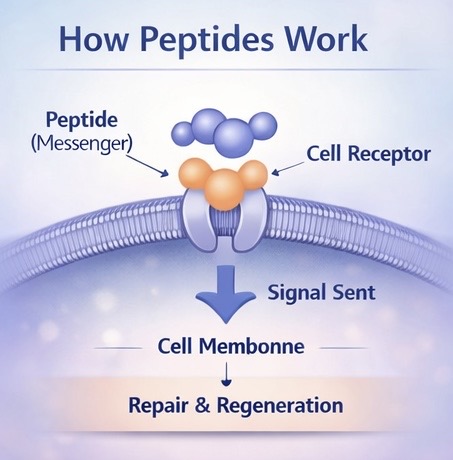
Peptides are the unsung heroes in this intricate biological dance. These short chains of amino acids act as powerful messengers in the human body, influencing everything from hormone production to metabolic processes. They play a crucial role in signaling pathways that regulate cellular function, and their impact is becoming more recognized in the field of longevity science.
Research into longevity often highlights the importance of cellular resilience and repair. It’s not just about patching up problems as they arise but about fortifying the body’s natural defenses and repair mechanisms. Peptides come into play here as they interact with cells to promote repair and regeneration, ensuring that cellular processes run smoothly and efficiently.
Understanding how peptides function can provide insights into how our bodies age and, potentially, how we might slow down or mitigate some of the adverse effects of aging. Their ability to support regenerative processes makes them a significant focus for researchers aiming to unlock the secrets of living not just longer but healthier lives. This article will dive into how peptides contribute to key aspects of cellular health and longevity.
Understanding Peptides: Nature’s Building Blocks
Peptides might sound like a technical term, but they’re essentially small proteins made up of short chains of amino acids. They are fundamental components in our biology, acting as linchpins in a variety of cellular processes. Imagine them as the body’s communication experts, crafting and delivering messages to regulate a host of bodily functions.
These tiny but mighty molecules are integral to metabolic activities and cellular communication. They help in managing how cells respond to different signals, which is crucial in maintaining balance and responding to environmental changes or internal stressors.
Peptides also have a hand in controlling inflammation, a common factor in numerous chronic conditions and aging. By regulating inflammatory responses, they help maintain a healthy equilibrium, potentially slowing the wear and tear on tissues over time.
In the realm of tissue repair, peptides take on a critical role. Their involvement can boost the body’s ability to heal and regenerate damaged tissues. This is particularly important as we age, since the natural efficiency of repair and regeneration often diminishes with time.
As research progresses, the understanding of how peptides influence these vital functions continues to grow, making them a focal point for studies aiming to enhance healthspan and combat age-related decline.
Peptides in the Realm of Cellular Repair
Aging takes a toll on the body’s ability to repair itself, and this decline is marked by increasing inefficiencies in cellular repair processes. This is where peptides step into the spotlight, offering potential pathways to bolster our natural repair mechanisms.
When discussing cellular repair, terms like oxidative stress and inflammation often come up. Oxidative stress results from an imbalance between free radicals and antioxidants, leading to cell damage. Inflammation, while part of the body’s defense against injury, can become chronic and contribute to various health concerns over time.
Peptides play a role by regulating these processes, effectively helping to manage—if not reverse—some of these stressors. Emerging studies indicate that certain peptides, such as BPC-157 and MOTS-c, might enhance the body’s capacity to mend and rejuvenate cells. BPC-157 is noted for its potential to accelerate healing across various tissues, while MOTS-c is being investigated for its impact on metabolic health and longevity.
It’s important to approach these findings with an open yet cautious mindset. Research suggests promising avenues, but much of it is still in its early stages. However, the potential shown in preliminary studies fuels optimism about future applications in age-related healthcare and therapies.
Understanding peptides’ role in cellular repair can inform approaches to sustaining health as we age. Whether through direct peptide therapies or lifestyle adjustments that support peptide function, there’s a growing conversation around leveraging these biological messengers to enhance well-being.
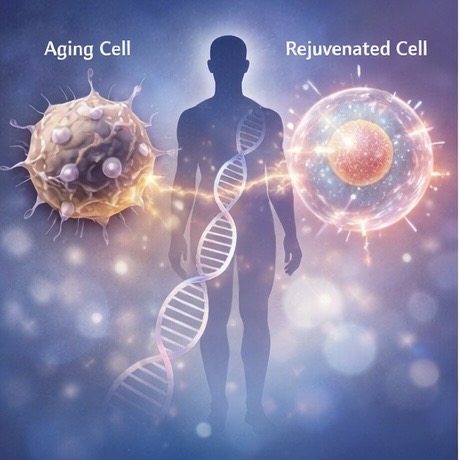
Peptides, Mitochondrial Health, and Inflammaging
Mitochondria, often described as the powerhouses of cells, are indispensable in generating the energy our bodies need to function. They produce ATP, the energy currency of cells, and their efficiency is crucial for maintaining vitality and health as we age.
However, as time progresses, mitochondrial function tends to decline. This decline is linked to notable signs of aging, including reduced energy levels and increased susceptibility to age-related diseases. It’s like the batteries are slowly losing their power, impacting the body’s capability to maintain youthful vigor.
A concept that’s gaining attention is ‘inflammaging,’ which combines chronic, low-grade inflammation with the aging process. This condition acts as a constant drain on our metabolic resources, further exacerbating mitochondrial inefficiency. Under these circumstances, the body’s repair pathways struggle to keep pace, leading to more pronounced signs of aging.
Peptides could play a supportive role in countering these challenges. Research is exploring how they might enhance mitochondrial function or mitigate the effects of inflammaging. By improving metabolic resilience, peptides may help alleviate some of the burdens placed on the nervous system and overall cellular health.
Understanding this interplay offers a new perspective on aging. By focusing on maintaining mitochondrial health and regulating inflammation, there may be potential to improve not just lifespan but also quality of life as the years go by. These insights provide a valuable guide for anyone interested in practical health strategies to ward off the effects of aging.
A Comprehensive Approach to Whole-System Longevity
Understanding peptides requires looking at the bigger picture of health and well-being. While these molecules can have significant effects on cellular repair and resilience, it’s essential to view them as part of a whole-system approach to longevity. This means recognizing that peptides, while powerful, don’t work in isolation.
Supporting the body’s natural repair systems involves more than just focusing on peptides. It’s about integrating various lifestyle factors that contribute to a balanced, healthy life. Nutrition tops the list. A diet rich in antioxidants, healthy fats, lean protein, and fiber helps to support peptide function while providing the body with essential building blocks.
Equally important is sleep. Quality, restorative sleep facilitates tissue repair, hormone regulation, and energy restoration, all of which align with the body’s ability to produce and utilize peptides effectively. Ensuring that sleep is prioritized can have profound effects on overall health, supporting an optimal environment for cellular function.
Movement and activity not only preserve muscle strength and joint health but also stimulate peptide production and function. Regular exercise can promote mitochondrial health and improve metabolic processes, providing an additional layer of support for a youthful, energetic body.
Managing stress is another critical component. Chronic stress undermines peptide function and cellular repair processes. By incorporating stress-reducing practices, like mindfulness or regular relaxation techniques, individuals can bolster their body’s efforts to maintain balance and resilience.
Combining these factors with peptide therapies or supplements can enhance their effectiveness, offering a more integrative path to sustaining vitality. By weaving together various aspects of health, there’s an opportunity to embrace a holistic strategy for longevity that acknowledges the interconnectedness of our biological systems.
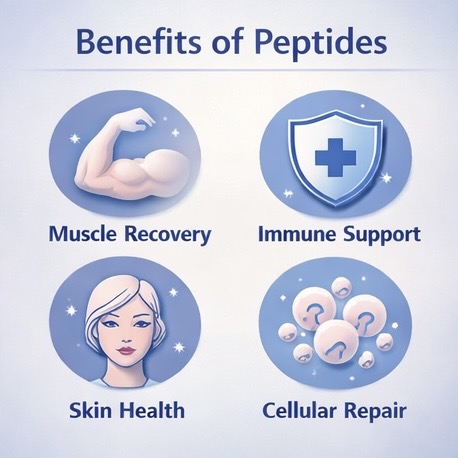
Peptides are short chains of amino acids that act as biological messengers
The Current State of Peptide Research
Research into peptides and their potential for enhancing longevity is progressing steadily, yet it’s crucial to understand that we’re just scratching the surface of this scientific field. Much of the current research is conducted in laboratory settings or involves animal models, providing valuable insights but also highlighting the need for continued exploration.
Human clinical trials are essential for understanding how peptides interact in the complex environments of human biology. The data from these studies is expanding, but it requires careful consideration and interpretation. As science advances, it’s likely that we’ll gain a more comprehensive understanding of how peptides can be harnessed effectively in health applications.
Important questions around the long-term safety of peptide therapies remain. While some peptides show promise in preliminary studies, extensive investigations are required to ensure their safety and efficacy over extended periods.
Regulatory guidelines for peptide use vary widely across different regions, reflecting the evolving nature of this field. For those interested in peptide therapies, staying informed about local regulations and consulting healthcare professionals is advisable.
Peptide research represents a burgeoning frontier in longevity science, opening intriguing possibilities for improving human health. As the science matures, it will be crucial to approach these developments with a balanced perspective, recognizing both their potential and the importance of thorough scientific validation. This approach will ultimately guide effective and safe applications that enhance quality of life and promote healthy aging.
One fascinating scientific detail you might enjoy:
Peptides are essentially tiny biological text messages. Your cells are constantly sending them to each other. Some tell cells to repair tissue. Others regulate inflammation, immune response, or metabolism. The entire body is running a quiet biochemical conversation 24/7.
That’s part of why longevity research is so interested in them. If aging is partly a communication breakdown between cells, peptides might help restore some of that signaling
- Peptides are short chains of amino acids that act as biological messengers
- They signal cells to repair, regenerate, and regulate functions
- Emerging research suggests potential roles in longevity and recovery
- Lifestyle factors like nutrition, sleep, and exercise influence peptide activity
Thanks for this. It has helped me to understand the importance of having enough peptides in the body especially as we start to age. I was wondering if a good protein powder would help to balance the protein that we don’t get enough of, or is there something different as far as supplements go that must be taken to promote the formation of peptides more.
I also like that you give natural ways to boost our peptides in our body by exercising and eating better. I think that what we eat has the most impact long term on our bodies and how we age.
Michel, I’m so glad this helped clarify things for you. That’s exactly why I wanted to break it down in a practical way.
Great question about protein powder. A quality protein powder can absolutely help if someone isn’t getting enough dietary protein. Since peptides are short chains of amino acids, having adequate amino acids from protein intake gives the body the raw materials it needs. But protein powder itself doesn’t automatically “create” specific therapeutic peptides. It simply supports the body’s natural processes.
There are also targeted peptide therapies and certain supplements that may support peptide signaling, but those are more specific and usually something to research carefully or discuss with a professional.
And I agree with you. What we eat consistently over time has one of the biggest long-term impacts on how we age. Exercise, sleep, stress regulation, and nutrient density all work together. Peptides don’t operate in isolation. They’re part of a much bigger system.
I appreciate you engaging with this so thoughtfully.