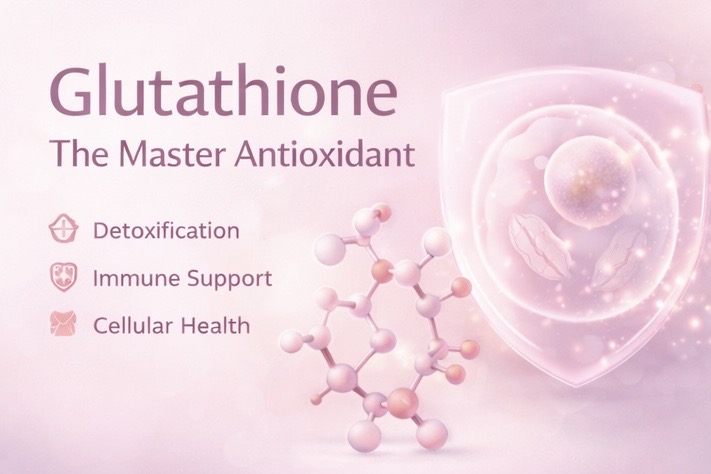
Glutathione (GSH), often called the “Master Antioxidant,” is one of the most important molecules your body produces. It is a naturally occurring tripeptide made from three amino acids: cysteine, glycine, and glutamine.
Unlike many trendy supplements, glutathione is foundational biology.
It plays a central role in:
- Cellular protection
- Detoxification
- Immune resilience
- Energy production
- Healthy aging
Your glutathione levels influence how well your body handles toxins, stress, inflammation, and oxidative damage. When levels decline, vulnerability rises.
What Is Glutathione and Why Is It Called the Master Antioxidant?
Antioxidants are compounds that neutralize unstable molecules called free radicals. Free radicals damage cells through a process known as oxidative stress — a major driver of aging and chronic disease.
Glutathione is considered the “master” antioxidant because:
- It neutralizes free radicals directly
- It regenerates other antioxidants like vitamin C and vitamin E
- It supports detox enzymes in the liver
- It exists inside nearly every cell in the body
Most antioxidants come from food. Glutathione is different — your body makes it internally, primarily in the liver.
That makes it critical.
Glutathione and Cellular Health
Every cell in your body relies on glutathione for protection and repair.
It helps:
- Protect DNA from oxidative damage
- Reduce cellular inflammation
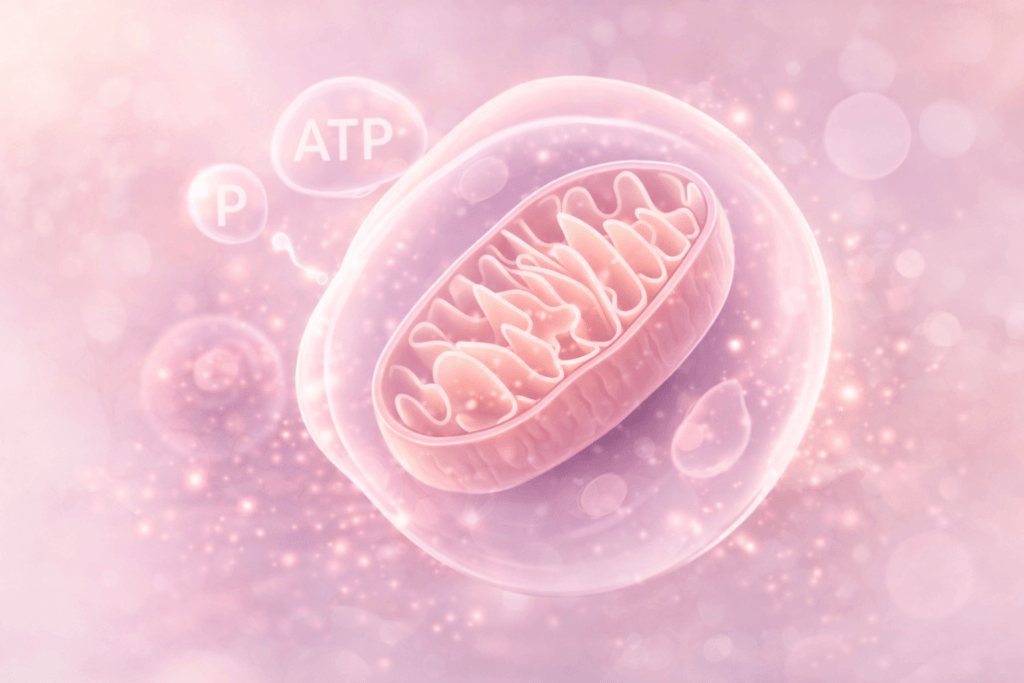
- Support mitochondrial function (your cells’ energy factories)
- Maintain protein structure and integrity
Mitochondria produce ATP, the energy currency of the body. When oxidative stress damages mitochondria, fatigue and inflammation increase.
Healthy glutathione levels support mitochondrial efficiency — which means better energy, clearer thinking, and improved resilience.
This is why glutathione is frequently discussed in longevity and bio-optimization research.
Glutathione’s Role in Detoxification
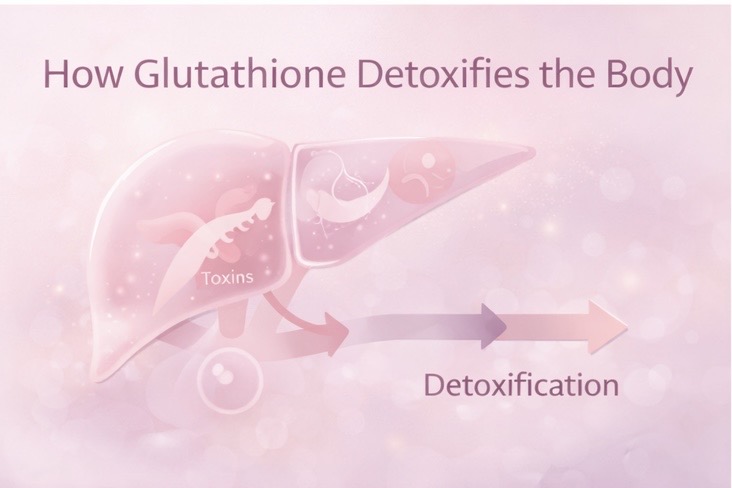
Your liver detoxifies harmful compounds in two major phases.
During Phase II detoxification, glutathione binds to toxins, heavy metals, environmental pollutants, and metabolic waste so they can be safely eliminated.
Without adequate glutathione:
- Toxins accumulate
- Oxidative stress increases
- Inflammation rises
In our modern world — filled with processed foods, air pollutants, and chemical exposure — glutathione demand is significantly higher than it was decades ago.
Supporting this pathway is no longer optional. It’s protective.
Glutathione and Immune System Function
Your immune cells depend on glutathione to function properly.
Research shows that low glutathione levels are associated with:
- Impaired immune response
- Increased inflammation
- Slower recovery from illness
Glutathione helps regulate immune cell signaling and prevents excessive inflammatory reactions.
Balanced immune function isn’t about being hyper-reactive. It’s about being precise.
Glutathione supports that precision.
Glutathione and Aging
One of the most consistent findings in aging research is this:
Glutathione levels decline with age.
As levels drop, oxidative damage increases. This contributes to:
- Wrinkling and skin aging
- Cognitive decline
- Metabolic dysfunction
- Increased disease risk
The oxidative stress theory of aging suggests that accumulated cellular damage drives aging at the molecular level.
Maintaining glutathione may help slow that process by reducing cumulative damage over time.
This is why glutathione is frequently studied in longevity science and mitochondrial research.
Signs You May Have Low Glutathione
While testing is the most accurate way to assess levels, common signs of depletion may include:
- Chronic fatigue
- Brain fog
- Frequent illness
- Slow recovery
- High toxic exposure
- Chronic inflammation
Stress, poor diet, alcohol use, infections, and environmental toxins all deplete glutathione.
The modern lifestyle quietly drains it.
How to Support Glutathione Naturally
Your body makes glutathione — but it needs the right building blocks.
1. Eat Sulfur-Rich Foods
Sulfur is essential for glutathione production. Include:
- Broccoli
- Brussels sprouts
- Garlic
- Onions
- Eggs
2. Support With NAC (N-Acetyl Cysteine)
NAC provides cysteine, the rate-limiting amino acid in glutathione synthesis.
3. Exercise Regularly
Moderate exercise increases natural glutathione production.
4. Prioritize Sleep
Glutathione replenishes during deep sleep.
5. Manage Stress
Chronic stress increases oxidative load and depletes antioxidant reserves.
6. Consider Targeted Supplementation
Forms like liposomal glutathione, IV glutathione, or specific peptide support may be beneficial under professional guidance.
Why Glutathione Matters More Than Ever
We live in a time of increased chemical exposure, chronic stress, and metabolic overload.
Glutathione is not a trend. It is your body’s internal defense system.
Supporting it means supporting:
- Cellular resilience
- Detox capacity
- Immune balance
- Energy production
- Long-term vitality
When you protect your cells, you protect your future.
Final Thoughts
Glutathione may be one of the most important molecules you’ve never thought about — yet it works quietly behind the scenes to defend your health every single day.
Understanding and supporting your body at the cellular level isn’t extreme.
It’s intelligent.
And the more we learn about how our biology functions, the more empowered we become to care for it intentionally.
Q: What does glutathione do in the body?
A: Glutathione neutralizes free radicals, supports liver detox, bolsters immune cell function, and helps protect cells from oxidative stress.
Q: Can I increase glutathione naturally?
A: Yes — through sulfur-rich foods, NAC supplementation, sleep, regular exercise, and stress management.
Q: Is glutathione for everyone?
A: Most people benefit from supporting antioxidant systems, but individual needs vary. Consult a healthcare provider for personalized guidance.